
Lagos – The City of Explorers and One of Portugal’s Most Important Historic Ports
Where History Meets the Atlantic Ocean
Today, Lagos is one of the most popular destinations in the Algarve, attracting visitors with its stunning beaches, dramatic cliffs, and vibrant atmosphere. Yet behind its modern appeal lies a fascinating history that helped shape the Age of Discovery and changed the course of world history.
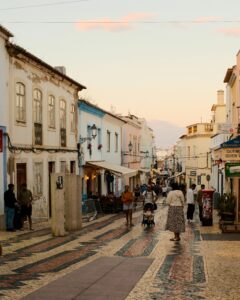
Walking through the cobbled streets of Lagos reveals traces of a remarkable past. For centuries, the city served as one of Portugal’s most important ports and played a key role in the country’s maritime expansion.
The origins of Lagos
The history of Lagos stretches back thousands of years. The area was inhabited by Phoenicians, Carthaginians, and later the Romans, all of whom recognized the strategic value of its natural harbor.
During the medieval period, the region came under Moorish rule, leaving a lasting influence on local culture and urban design. In the 13th century, Lagos became part of the Kingdom of Portugal and began to grow as an important trading center.
The history of Lagos stretches back thousands of years. The area was inhabited by Phoenicians, Carthaginians, and later the Romans, all of whom recognized the strategic value of its natural harbor.
During the medieval period, the region came under Moorish rule, leaving a lasting influence on local culture and urban design. In the 13th century, Lagos became part of the Kingdom of Portugal and began to grow as an important trading center.
The Golden Age of Discovery
The city’s most significant period came during the 15th century, when Portugal emerged as one of Europe’s leading maritime powers.
Lagos became a major departure point for expeditions exploring the Atlantic Ocean and the western coast of Africa. Ships left its harbor in search of new trade routes, valuable resources, and unknown territories.
During this era, Lagos stood at the heart of Portugal’s ambitious exploration efforts.
Prince Henry the Navigator and Lagos
No discussion of Lagos would be complete without mentioning Prince Henry the Navigator.
Although he was not a sailor himself, Prince Henry played a crucial role in supporting navigation, cartography, and maritime exploration. His vision encouraged Portuguese sailors to push further south along the African coastline and expand Europe’s geographical knowledge.
The influence of this extraordinary period can still be felt throughout the city today.
Exploring the Historic Center
One of Lagos’ greatest attractions is its beautifully preserved historic center.
Visitors can enjoy:
- Ancient city walls
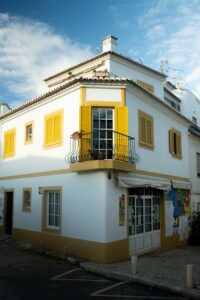
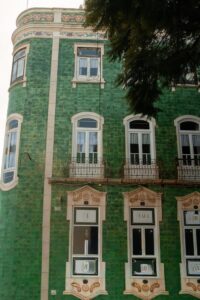
- Traditional Portuguese architecture
- Charming cobblestone streets
- Historic churches and squares
- Restaurants and cafés housed in centuries-old buildings
The old town offers a perfect blend of history, culture, and local life.
Forte da Ponta da Bandeira
Guarding the entrance to the harbor stands Forte da Ponta da Bandeira, a 17th-century fortress built to defend Lagos from pirates and hostile naval attacks.
Today, the fort provides excellent views of the coastline and offers visitors a glimpse into the city’s strategic importance during Portugal’s maritime history.
Lagos Today
Although the Age of Discovery has long passed, Lagos remains closely connected to the sea.
Its modern marina, fishing traditions, boat tours, and water sports continue to reflect the city’s maritime heritage. At the same time, Lagos offers all the comforts of a contemporary holiday destination while maintaining its authentic Portuguese character.
This combination of history, culture, and natural beauty makes Lagos one of the most fascinating places to visit in the Algarve.
Final Thoughts
Lagos is much more than a beach destination. It is a city with a rich and influential history that helped shape Portugal’s role in global exploration.
During your stay, take time to explore the historic center, visit its monuments, and discover the stories behind one of Portugal’s most important ports. Understanding the city’s past adds a whole new dimension to any holiday in Lagos.